
The Complete Trucking Compliance Checklist for Owner-Operators
Staying compliant as an owner-operator comes down to a short list of recurring filings and registrations: your USDOT and MC authority, IRP and IFTA for interstate operation, Form 2290 heavy vehicle use tax, your UCR registration, and a handful of ongoing logbook, inspection, and insurance requirements. Miss one and you risk fines, a load you can't legally haul, or a truck that gets put out of service. This checklist walks through each item so you know what to prepare, when it's due, and where to confirm the details.
This is general guidance, not legal or tax advice. Rules and fees change, and they vary by state. Always confirm the current requirements with the IRS, FMCSA, and your base-state agency before you file.
1. Federal operating authority (USDOT and MC numbers)
If you operate a commercial vehicle in interstate commerce, you generally need a USDOT number, and if you haul regulated freight for hire, an MC (operating authority) number from the FMCSA.
- Apply through Motus, FMCSA's online registration system.
- Keep your USDOT number active by filing biennial updates (the MCS-150 update) every two years, even if nothing changed.
- Carry the correct insurance on file with FMCSA before your authority becomes active.
Letting your biennial update lapse can deactivate your number (although FMCSA has temporarily suspended that enforcement for updates due on or after June 1, 2026 while it moves registration to its new Motus system), so set a reminder.
2. Form 2290 Heavy Vehicle Use Tax (HVUT)
If you operate a vehicle with a taxable gross weight of 55,000 pounds or more on public highways, you owe the Heavy Vehicle Use Tax and must file IRS Form 2290.
- The tax starts at $100 for a vehicle at 55,000 lbs, adds $22 per 1,000 lbs over that, and maxes out at $550 for vehicles at 75,000 lbs and above.
- The tax period runs July 1 through June 30.
- For vehicles in use in July, the deadline is August 31. If you put a new truck on the road mid-year, the return is generally due by the last day of the month after the month you first used it.
- You receive a stamped Schedule 1 as proof of payment, which you need to register or renew your plates.
QuickTruckTax helps you understand the rules, calculate the tax for your weight category, and prepare and validate your 2290 before you submit it to the IRS. We are not a filing service and never submit forms to any agency on your behalf.
3. IRP (apportioned plates)
The International Registration Plan lets you register a vehicle once in your base state and pay registration fees apportioned across all the states you travel in.
- Register through your base-state IRP office.
- Report your actual mileage by jurisdiction at renewal; keep accurate distance records all year.
- Carry your cab card, which lists the jurisdictions and weights you're registered for.
4. IFTA (fuel tax)
The International Fuel Tax Agreement simplifies fuel tax reporting for interstate carriers. You file one quarterly return with your base state instead of with every state you drive through.
- Keep detailed records of miles driven and fuel purchased in each jurisdiction.
- File quarterly, even for quarters when you didn't operate (file a zero return).
- Display your IFTA decals and carry your license.
Clean trip and fuel records are the single biggest factor in surviving an IFTA audit, so log them as you go rather than reconstructing later.
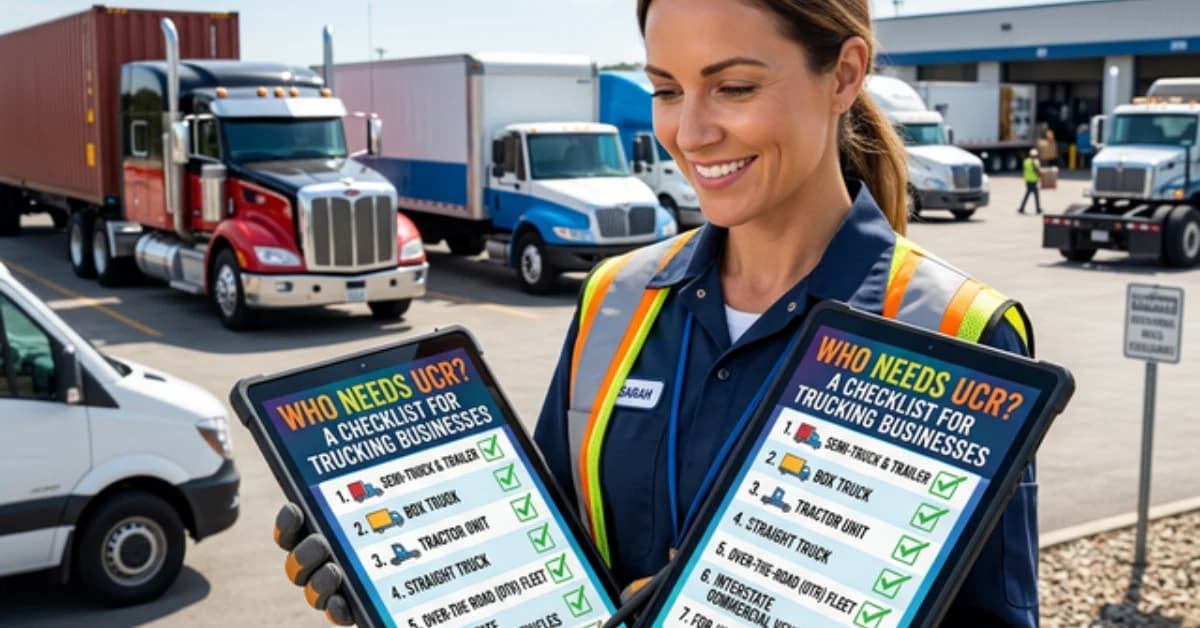
5. UCR (Unified Carrier Registration)
Most interstate carriers, brokers, and freight forwarders must register and pay an annual UCR fee, which is based on fleet size.
- Renew each year before operating in the new registration year.
- Verify the current fee tier on the official UCR site, since amounts are set annually.
6. Driver and vehicle records
Beyond registrations, the FMCSA expects ongoing recordkeeping:
- Hours of Service: Use a compliant electronic logging device (ELD) and keep supporting documents.
- Driver Qualification file: CDL, medical examiner's certificate, and a current motor vehicle record.
- Drug and alcohol program: Enroll in a testing consortium and stay current with the Clearinghouse.
- Vehicle inspections: Annual DOT inspection plus daily driver vehicle inspection reports (DVIRs).
- Insurance: Maintain the liability coverage required for your authority and cargo type.
A simple annual rhythm
- Quarterly: File IFTA returns and review your mileage and fuel logs.
- Mid-year (by Aug 31): Prepare and file Form 2290 for the new tax period.
- Annually: Renew IRP plates, UCR, and your DOT inspection; check your medical card expiration.
- Every two years: File your MCS-150 biennial update.
Build these into a calendar and most of your compliance runs on autopilot. When a filing date approaches, gather your records first, then confirm the current rules and fees on the official agency site so nothing catches you off guard.